World Economic Forum Sounds Alarm: Deepfake Face-Swaps Pose Critical Threat to Digital Identity Systems
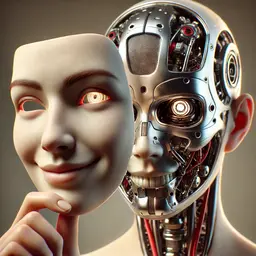
World Economic Forum Sounds Alarm: Deepfake Face-Swaps Pose Critical Threat to Digital Identity Systems
The World Economic Forum (WEF) just dropped a major warning: deepfake tech—especially those creepy-real face swaps—is accelerating fast and threatening to wreck trust in digital ID systems worldwide. Look, this isn't some distant sci-fi problem anymore. The WEF stresses that any institution relying on digital verification now faces serious financial, operational, and systemic risks because of it.
Malicious Actors Exploit AI for Identity Fraud
A January 8th report from the WEF's Cybercrime Atlas initiative revealed cybercriminals are systematically gaming Know-Your-Customer (KYC) processes and remote ID checks using deepfakes. Banks and crypto platforms? They’re prime targets right now. Here's the thing: crooks aren’t playing around. They’re mixing AI-made or stolen documents, hyper-realistic face swaps, and camera injects to fool live verification systems cold.
A schematic showing a typical deepfake-enabled KYC bypass attack.
Source: "Unmasking Cybercrime: Strengthening Digital Identity Verification against Deepfakes,” Cybercrime Atlas, World Economic Forum, January 2026
Commercial Tools Masquerading as Innocuous Pose Grave Risk
A research squad—including Natalia Umansky and Seán Doyle of Cybercrime Atlas, plus leads from Banco Santander and Group-IB—put 17 face-swap tools and eight camera injectors under the microscope. Their goal? See how easily these break KYC systems.
We all know KYC checks are everywhere—banks, crypto, you name it. They usually work like this:
- Doc Verification: Scans government IDs.
- Biometric Check: Matches your live face against the ID photo.
Now, the report deliberately hides names of tools and exactly how criminals exploit them—stopping copycats, you get it. But here’s the scary part: most of these tools were sold as legit creative apps. Fun filters, movie gags…that kind of thing. None bragged about bypassing KYC in their ads or manuals.
Except: investigators discovered several tools could completely smash through everyday digital KYC defenses. How? Real-time swaps fed straight into verification systems. Whoa. And get this: even mediocre face-swap tech paired with camera injections can trick certain biometric setups under the right conditions.
Detection Remains Possible, But Requires Evolution
So is it hopeless? Not yet. Researchers found that most deepfake attacks still slip up. Telltale signs? Messed-up timing, weird lighting, or compression glitches catch them out. These flaws give developers a fighting chance: sharpen detection models using these dead giveaways as bullseyes.
This all surfaces as AI-powered fraud spikes—even while old-school identity theft flatlines.
Read more: [AI and Deepfake-Powered Fraud Skyrockets Amid Identity Fraud Stagnation]
Forecast: Evolving Deepfake Threats Demand Proactive Defense
The report also forecasts five critical trends for deepfake KYC attacks next year:
- Lowered Barriers & Rising Complexity: New AI tools make sophisticated attacks easier to launch...and harder to detect.
- Finance & Crypto Remain Top Targets: Obvious prizes given KYC weaknesses—but attacks will spill into other ID-heavy sectors.
- More Realistic: Deepfakes will keep improving. Spotting them? Trickier every day.
- Shift to Injection Attacks: Static fakes still linger, but once “active liveness” checks dominate? Crooks will flood systems with pre-recorded deepfake video streams.
- Regulatory Chaos Then Clarity: Splintered rules will confuse defenses short-term—but expect global standards to emerge medium-term, making everyone safer.
Building Resilience: Recommendations for Mitigation
With threats soaring, the report lists 27 specific tips for:
- KYC Vendors: Liveness detection teams and anti-spoofing pros.
- Companies: Fraud units in firms using KYC.
- Lawmakers: Local and global regulators protecting digital trust.
The reality is defenses have to evolve as fast as AI does. Detection models need to learn on the fly—spotting tomorrow’s tricks, not just today’s. Because adversaries exploit cheap AI and hardware? We'll need defenses that move just as quick.
Bottom line: Staying ahead demands constant upgrades. Tech evolves...so must we.
The report "Unmasking Cybercrime: Strengthening Digital Identity Verification against Deepfakes" was produced by the World Economic Forum’s Cybercrime Atlas initiative alongside partners like Lemon, Mastercard, Recorded Future, SpyCloud, and Trend Micro.
Read now: [Rebuilding Digital Trust in the Age of Deepfakes]
More From The Wire
VIEW_ALL
Cisco Issues Critical Patch for Identity Services Engine Flaw Amid Public Exploit Availability

OpenAI Unveils Dedicated Health Chatbot Segment with Rigorous Data Isolation Protections

# ICE's Massive Surveillance Expansion Unveiled: A Domestic Spying Operation Unprecedented in Scale